
The Difference Between Original Japanese Usui Reiki and Western Reiki
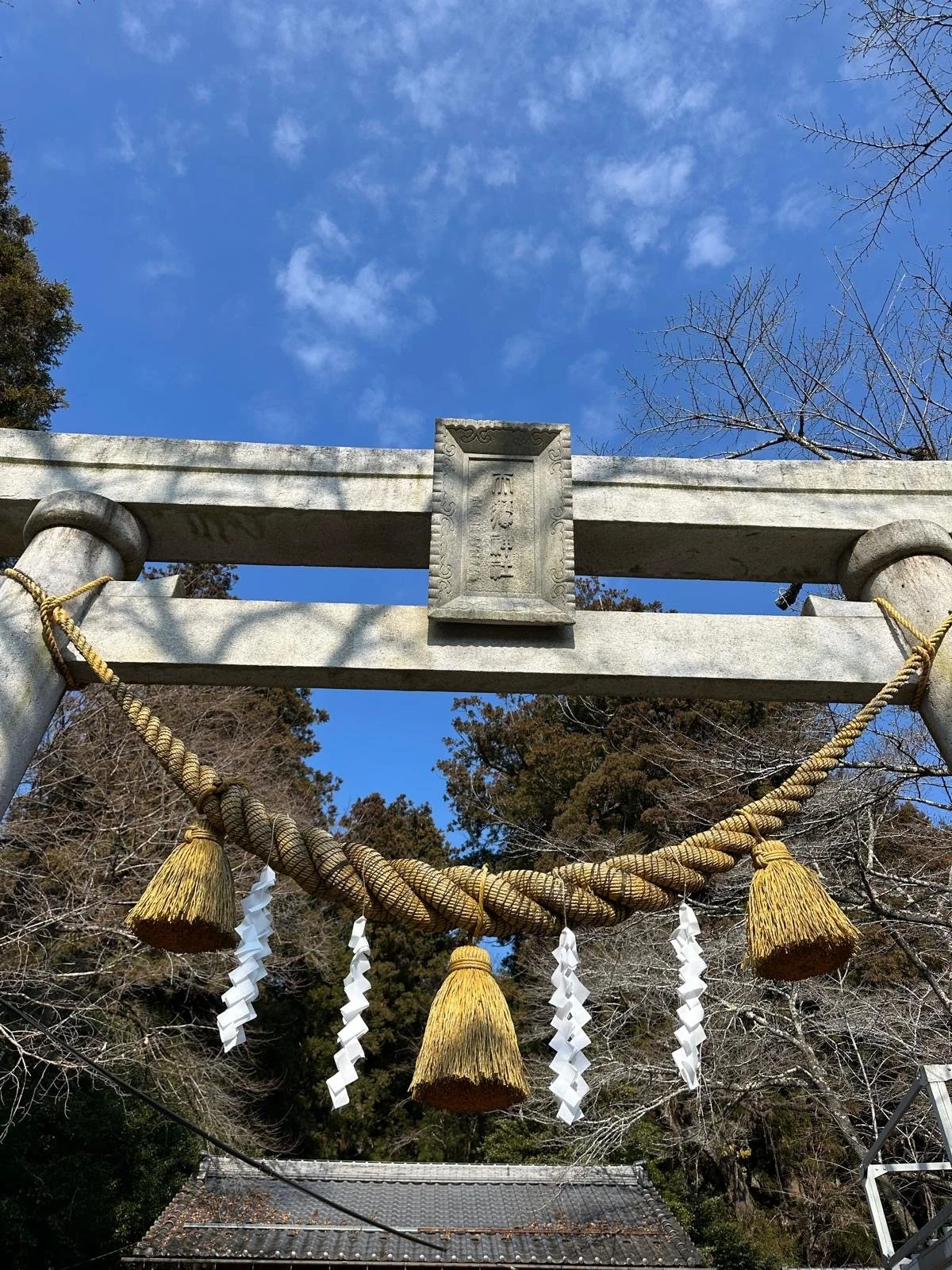
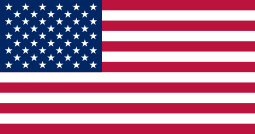
The philosophy of the original Japanese Usui Reiki Ryoho has remained in Japan and was never transmitted outside the country. What Dr. Chujiro Hayashi taught represented a more clinical and technical approach, as he researched and developed Reiki applications for various illnesses. This was the form of Reiki that Hawayo Takata learned and later introduced to Hawaii, the mainland United States, and eventually the rest of the world. As a result, the Reiki tradition passed down through Takata Sensei and the original Japanese Usui Reiki Ryoho developed into two distinct paths. The Reiki lineage that descended from Takata Sensei is generally referred to as Western Reiki, and it has continued to evolve with a wide variety of philosophies, techniques, and teaching methods over the decades.
Western Reiki differs significantly from the original Japanese Usui Reiki. The traditional Japanese Usui Reiki maintains a specific approach, philosophy, and set of protocols that have been carefully preserved and passed down through generations within Japan. In contrast, Western Reiki is more varied. While some groups strive to uphold traditional practices, others adapt them freely, with some striking a balance between the two.
Both the original Japanese Usui Reiki and Western Reiki offer valuable benefits. In traditional Japanese Usui Reiki, it is believed that illness is caused by negative energy. A practitioner begins a session by identifying and removing this negative energy through Reiki. Following this, the practitioner uses Reiki to elevate the recipient’s spirituality, ensuring they no longer resonate with negative energy. The goal is to continuously raise one's vibrational frequency, promoting a peaceful and abundant life.
Western Reiki, on the other hand, integrates with modern medicine, often used as a complementary therapy. It has proven effective in improving both the mind and body of patients, supporting overall well-being.

A Diferença Entre o Usui Reiki Japonês Original e o Reiki Ocidental
A filosofia do Usui Reiki Ryoho japonês original permaneceu no Japão e nunca foi transmitida para fora do país. O que o Dr. Chujiro Hayashi ensinou representava uma abordagem mais clínica e técnica, à medida que ele pesquisava e desenvolvia aplicações de Reiki para várias enfermidades. Esta foi a forma de Reiki que Hawayo Takata aprendeu e, mais tarde, introduziu no Havaí, nos Estados Unidos e eventualmente, no resto do mundo. Como resultado, a tradição do Reiki transmitida por Takata Sensei e o Usui Reiki Ryoho japonês original se desenvolveram em dois caminhos distintos. A linhagem de Reiki que descendeu de Takata Sensei é geralmente chamada de Reiki Ocidental, e continuou a evoluir com uma ampla variedade de filosofias, técnicas e métodos de ensino ao longo das décadas.
O Reiki ocidental difere significativamente do Usui Reiki japonês original. O Usui Reiki japonês tradicional mantém uma abordagem, filosofia e conjunto de protocolos específicos que foram cuidadosamente preservados e transmitidos por gerações no Japão. Em contraste, o Reiki ocidental é mais variado. Enquanto alguns grupos se esforçam para manter as práticas tradicionais, outros as adaptam livremente, com alguns encontrando um equilíbrio entre os dois.
Tanto o Usui Reiki japonês original quanto o Reiki ocidental oferecem benefícios valiosos. No Usui Reiki japonês tradicional, acredita-se que a doença é causada por energia negativa. Um praticante começa uma sessão identificando e removendo essa energia negativa por meio do Reiki. Depois disso, o praticante usa o Reiki para elevar a espiritualidade do destinatário, garantindo que ele não ressoe mais com energia negativa. O objetivo é elevar continuamente a frequência vibracional, promovendo uma vida pacífica e abundante.
O Reiki Ocidental, por outro lado, integra-se à medicina moderna, frequentemente usada como terapia complementar. Ele provou ser eficaz na melhoria da mente e do corpo dos pacientes, apoiando o bem-estar geral.